Fund expense allocation
without the Excel file.
Get reimbursed by your funds every month, not every quarter, with the backup for every split ready when the SEC asks.
Your allocations are somewhere in this mess.
Today, most fund finance teams keep the split in Excel and the approvals in email. Only the deal team knows the reasons. When an examiner picks an expense, the finance team must rebuild the record.
Everything can be in one place.
Ceviche splits every invoice by the rules your team approves. Then it creates the journal entries, the fund invoices, and the audit trail.
Get reimbursed every month, not every quarter.
Most firms invoice their funds once a quarter. For up to 3 months, the expenses that the management company paid are an interest-free loan to the funds. With Ceviche, your team can invoice every month.
October
2026
November
2026
December
2026
Your team enters invoices twice, rebuilds the split, and follows up on approvals. The work is slow, so the funds get one invoice each quarter.
October
2026
Run the rules. Ceviche splits each expense and attaches the backup, so your team can invoice the funds every month.
How Flybridge moved quarterly allocations out of Excel across 18+ fund entities
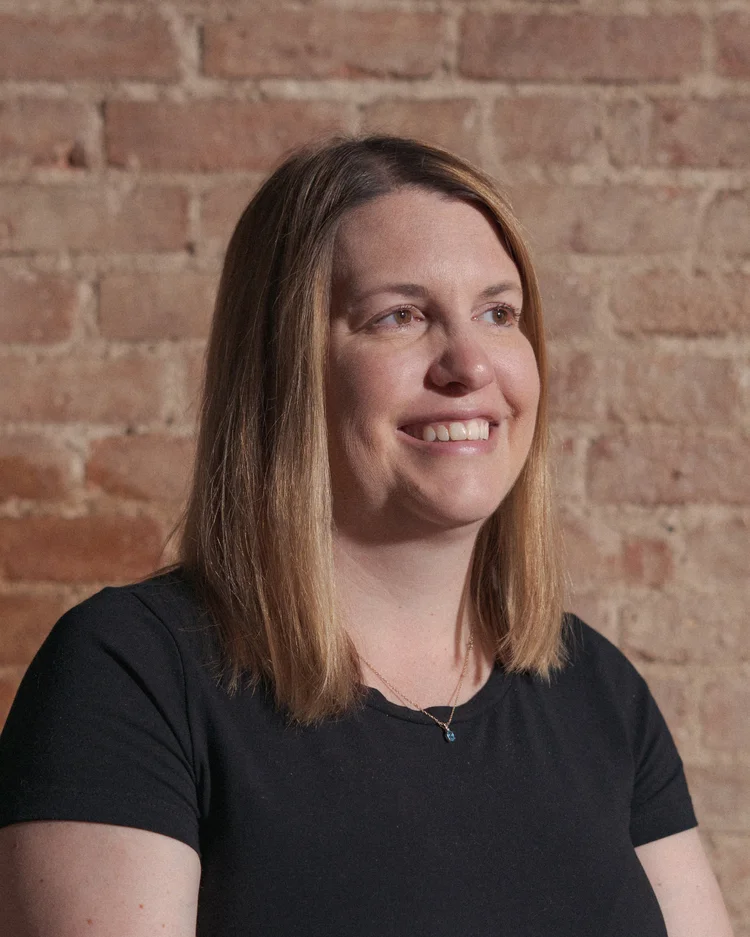

“Ceviche streamlines our close process, organizes our data for audits, and drafts entries for our fund admin, all in a single workflow.”
Quarterly allocations ran in spreadsheets on top of QuickBooks Online and Bill.com. They now run through Ceviche and post to QuickBooks Online. Every allocation traces back to its source documents, with a full audit trail.

When the SEC asks for the math, just click the number.
Examiners pick an expense and ask how your team split it. The invoice, the split, the LPA basis, and the approval are already attached.
Your fund admin and your tools stay. The manual process goes.
Ceviche works with the fund admin, AP tools, and GL you already use. It replaces the email threads about splits and approvals.
Tried software not built for funds?
We built Ceviche around the management company, the GP, the funds, and the SPVs. It runs on the GL and AP tools you already use.
Already work with a fund admin?
Your fund admin stays and keeps the official books. Every month or quarter, Ceviche sends your fund admin an invoice for each fund, with the backup attached.
Built by founders who watched fund finance teams struggle with every close, and decided to fix it.

A previous enterprise software investor at TCV, Matt spent years at a $25B+ AUM multi-stage private equity fund experiencing the expense allocation chaos first hand.






Your data, secured.
Details are in our trust center.

SOC 2 Type 2 report available.
Penetration tested
A third party tests the platform for vulnerabilities at least once a year.
Role-based access
You set access by role, and the database enforces it. Your fund admin or auditor sees only what you allow.
Encryption
Ceviche encrypts databases at rest and data in transit.
No training on your data
Your data is never used to train AI models.
Frequently asked questions
Ceviche is fund expense allocation software for the management company finance team. It sits between your AP and expense tools and your management company's general ledger. It splits each invoice across the management company, the GP, the funds, and the SPVs by your rules. Then it invoices each fund for its share and posts the journal entries, with the backup attached. We built Ceviche for PE, VC, credit, and real estate fund finance teams with multi-entity structures.
Yes. Venture firms run their main funds, co-invest vehicles, and SPVs in Ceviche. When a follow-on round changes who invested, the split for that deal changes with it. Deal costs split by who invested. Shared costs split by commitments or invested capital.
Ceviche works with the systems you already have. It reads expenses from your AP and expense tools: Ramp, Bill.com, Brex, Expensify, and SAP Concur. It applies your allocation rules. Then it posts the journal entries to your general ledger, such as QuickBooks Online, NetSuite, or Sage Intacct. Nothing in your stack changes. Ceviche is not a payment system, so your AP tool keeps paying vendors.
By their public materials, EAS and StavPay bring their own AP and payment layer. Ceviche runs on the AP tool and GL you already use, and your AP tool keeps paying vendors. Your team makes simple rule changes itself, and complex ones come back from our team within 48 hours. To switch, you can run one or two allocation cycles in both systems and compare the outputs line by line. Then you move to Ceviche.
In Excel, your team rolls last period's file forward, and one wrong cell carries into every fund's share. Ceviche stores the methodology and each period's numbers, so nobody retypes them. Every split keeps its invoice, its math, and the name of its approver.
You can build a first version quickly. A first version reads bills and card spend and applies a few rules. Fund expense allocation needs more inputs: your entity structure, the basis numbers for each period, and the terms of each LPA and side letter. It also has more outputs: journal entries for each ledger, a fund invoice for each fund, and the audit trail for auditors and SEC exams. In a quick build, the model makes each split, and a model that reads your LPA again can give a different answer. Your team cannot give an SEC examiner "the model decided" as the reason for a split. A tool that one person built with AI also depends on that person. In Ceviche, a split comes from a deterministic rule that your team configured and approved. The same invoice and the same basis always give the same split, and each journal entry traces back to its rule and its approval. Ceviche also includes the connections to your AP and expense tools and your GL, so your team does not have to maintain them. Fund expense allocation is our only product, and we built it for the questions that an SEC examiner asks. To compare the two, run the free 2-week sandbox on the same invoices.
No. Your fund admin keeps NAV, capital accounts, and fund accounting. On the management company side, Ceviche handles the allocation, the invoice to each fund, the due-from balances, and the backup behind each entry. Your fund admin gets clean fund invoices. You keep your fund admin, and you own your data.
Ceviche works the same way. Because your team does the fund administration, your team receives the invoice for each fund, with the backup attached. Your team then records the fund's side in your fund accounting system.
Ceviche shortens the reimbursement cycle from a quarter to a month. An expense that you paid for a fund is an interest-free loan to that fund until the fund reimburses you. Your rules split the recurring invoices in one run, so your team can invoice each fund every month. Each fund invoice lists every charge, with the vendor invoices and receipts attached, so nobody has to ask what the charges are. An aging report shows which fund invoices are past due.
You configure pro-rata methodologies or fully custom rules for each entity and each expense type, and you set them once. A methodology can be pro rata on commitments, on invested capital, or on AUM. It can also be by investment or by a blend. A rule can match a vendor, a matter number, a deal or project code, a description, an amount, or a GL account. When the basis changes from one period to the next, the split changes with it. Every line keeps the methodology and the numbers that applied on its posting date.
Your LPA and your team decide. Ceviche does not. Your LPA sets what each fund can bear. Your team writes those terms as rules and approves each rule once. A rule matches the vendor, the matter number, the deal or project code, the description, the amount, or the GL account. The rule says which entity bears the expense: a fund, the management company, or a portfolio company. Ceviche applies each rule the same way every time. If one cost has two purposes, a rule can split it. For example, if your LPA allows it, a CRM subscription can go partly to the funds for investor relations. The other part stays with the management company for deal sourcing. Ceviche posts the entries, so your team does not book a manual journal entry to move the cost.
No. AI reads each invoice and drafts its header fields and line items. Every split comes from a deterministic rule that your team configured and approved, or from an allocation that your controller or CFO made. Ceviche can suggest a split from your past allocations and custom fields, but it never decides one. Every number that posts traces back to a human approval. A rule runs the same way every time, so an auditor reviews the rule once, not hundreds of individual decisions.
You show what they expect to see for any fund expense: the invoice, the approval, the methodology with its LPA basis, and the numbers behind the split. All four are on one screen. Reports by vendor, fund, and period export to Excel, so an exam request takes minutes.
Core go-live takes 2 to 4 weeks. It covers your entities, your methodologies, your rules, and import and export. Our team does most of the setup, from the allocation file you use today. We scope new GL connections and historical data separately.
Ceviche stores your data in the United States and encrypts it at rest and in transit, under SOC 2 Type 2 controls. You set access by role. You own your data, and you can export it at any time. Your data is never used to train AI models.
Ceviche is one annual subscription. The price is based on your entity structure and allocation setup. There is no implementation fee, and we do not charge per user. The price does not depend on AUM, and a fund that you add during your subscription does not change it. Ask for an estimate during the demo. You get the exact number after a free 2-week sandbox on your own invoices. The sandbox runs under an NDA and ends with a review call with your team.
Get your close back.
Bring your hardest invoice to forty-five minutes with our CEO. We will split an invoice like it and show you the approval and the math behind it.