Notes from the close.
These are operator guides on fund expense allocation, legal invoice splits, and audit-ready processes. We write them from real controller workflows, not from vendor talking points.
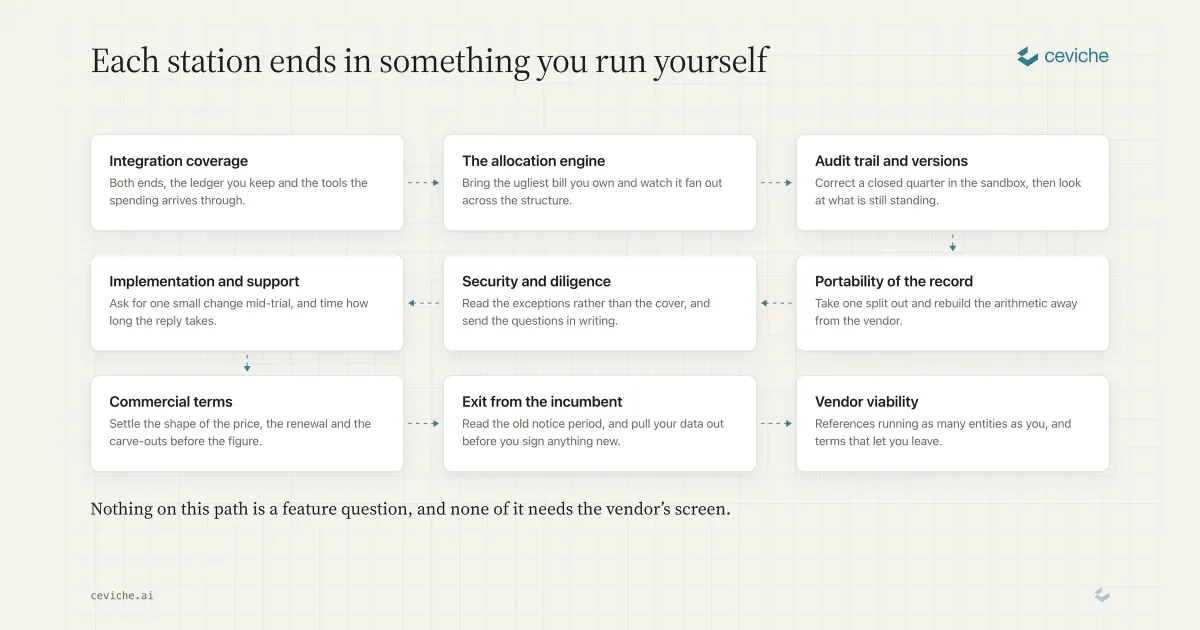
How Do You Evaluate Close Automation Software for a Fund?
The vendor checklist a fund finance team can run against any close automation vendor, reconstructed from the questions real buyers asked and the things that went wrong.
Read the guide →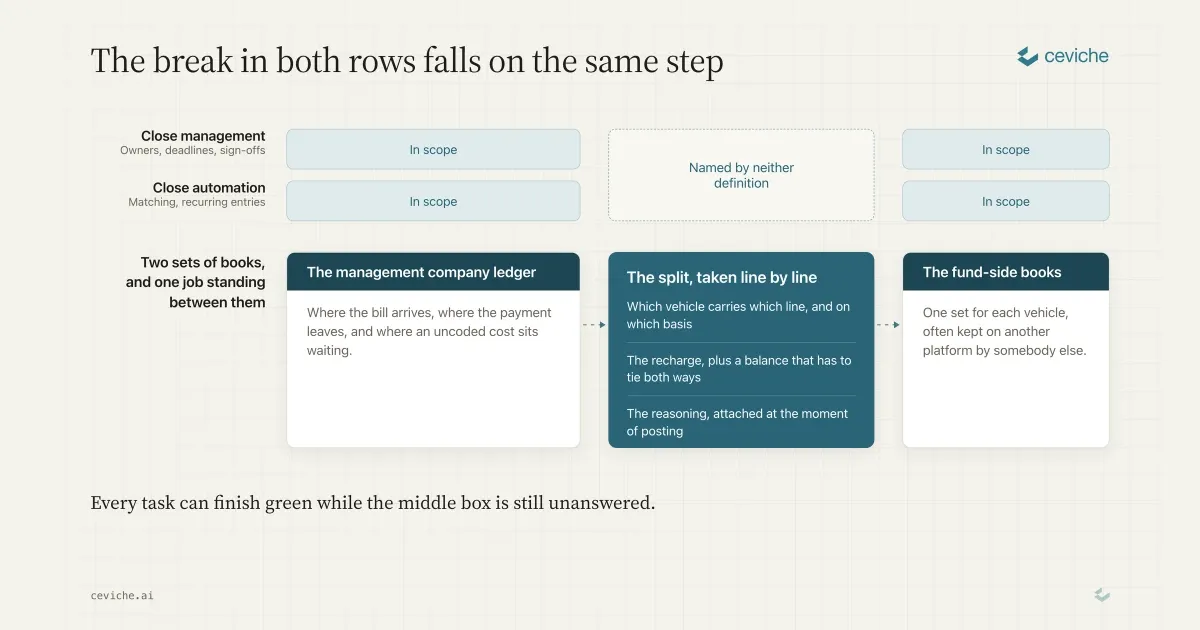
Financial Close Software vs Close Automation Platforms for Funds
The market splits close software into managing the close and automating parts of it. At a fund, the step that actually stalls the close belongs to neither.
Read the guide →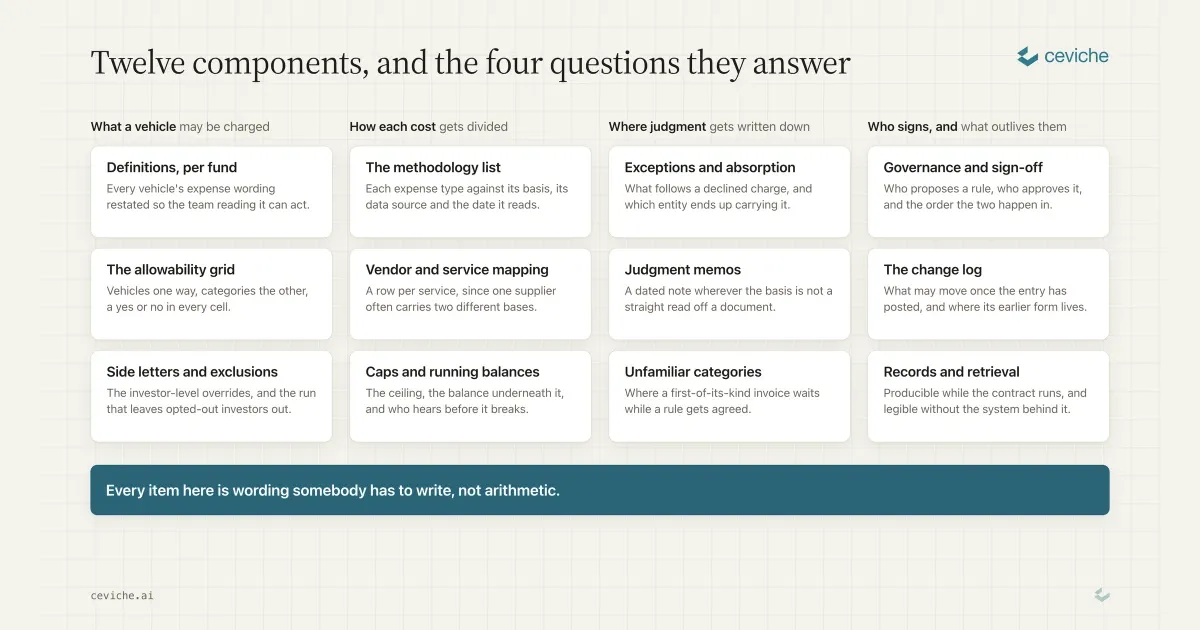
The Fund Expense Allocation Policy Template and What It Must Cover
Every page on this subject recommends a written allocation policy and none of them shows one. Here is the full outline, the three decisions most policies skip, and the arithmetic behind them.
Read the guide →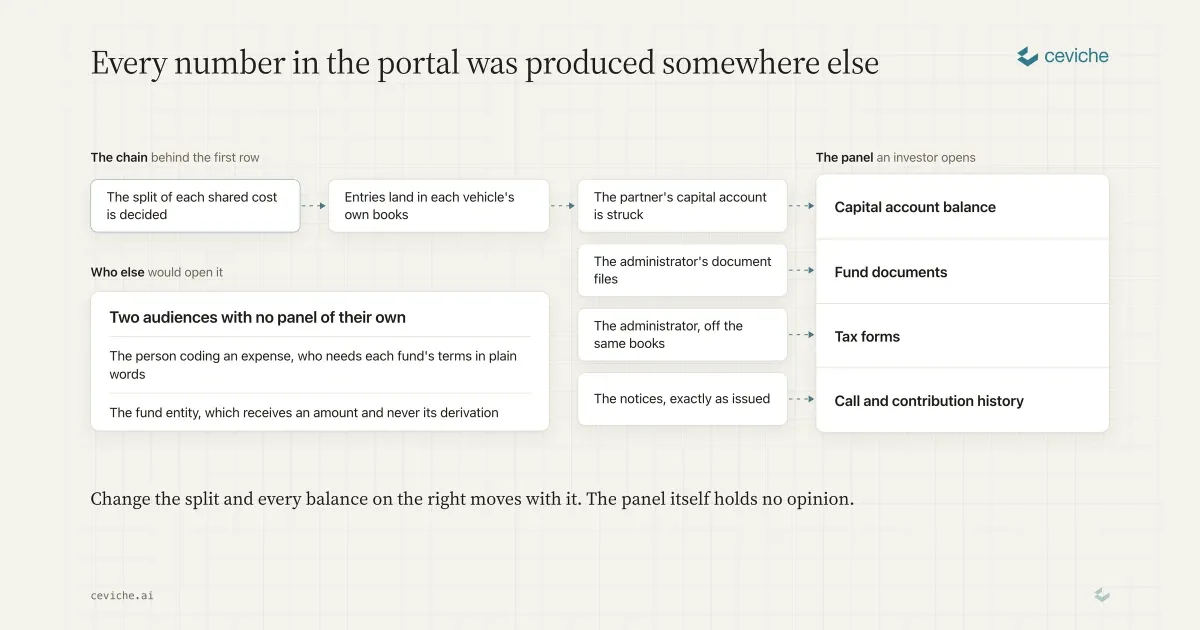
Fund Administration Software with an LP Portal
What an LP portal holds, what produces the numbers inside it, and the three audiences the category serves without naming two of them.
Read the guide →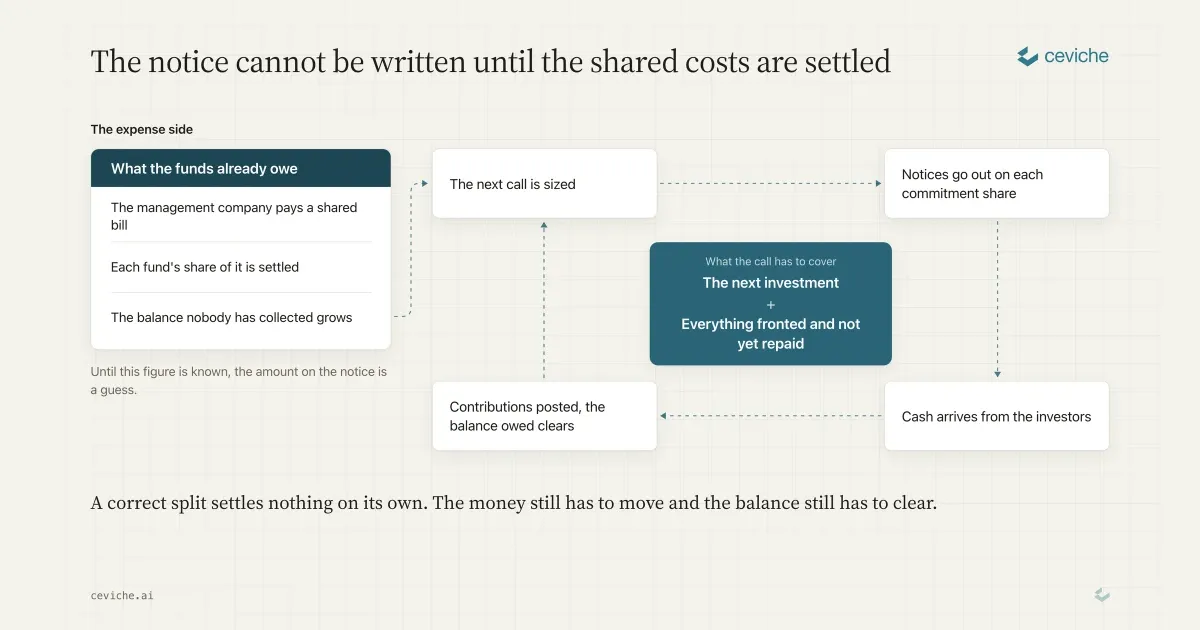
Capital Call Software and the Capital Call Process
What capital call software does, who each product is built for, and the finance work that starts where the notice ends.
Read the guide →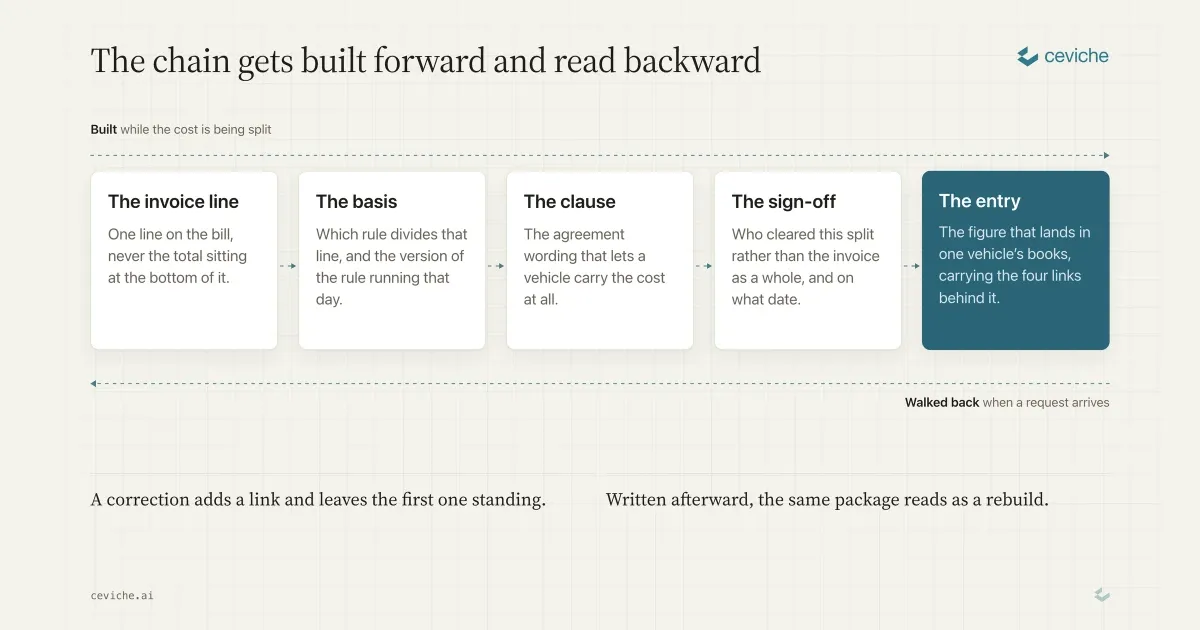
What Do SEC Examiners Ask About Expense Allocation?
The SEC's actual expense allocation findings are enumerated in a risk alert almost nobody cites. Here is the list, the documents behind it, and what a controller has to hand over.
Read the guide →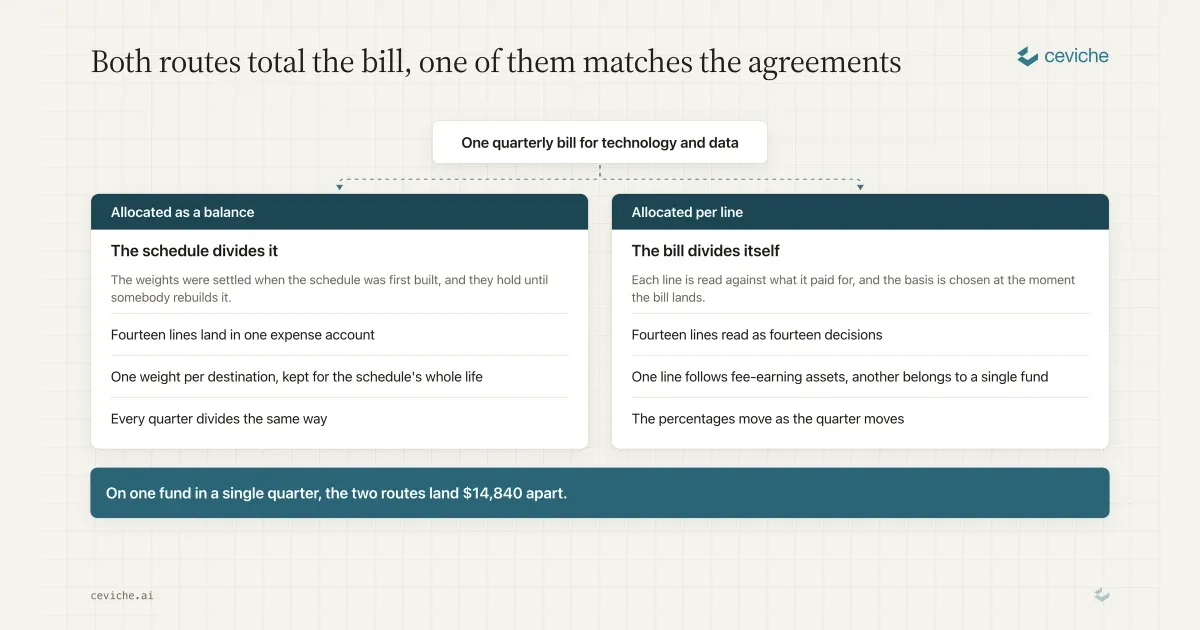
Fund Expense Allocation for NetSuite
What NetSuite's Expense Allocation feature does, sourced from Oracle's own documentation, and the part of a fund's split that still happens somewhere else.
Read the guide →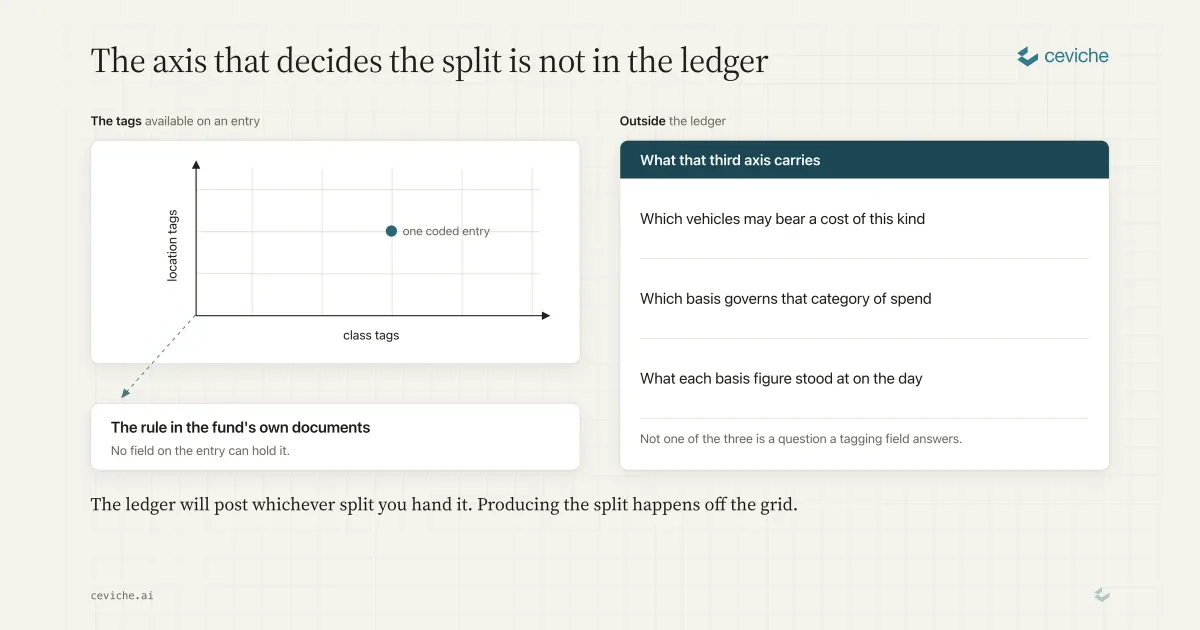
Fund Expense Allocation for QuickBooks
QuickBooks runs half of fund management-company ledgers. It will record any allocation you hand it. Working out the allocation is the part that stays on your desk.
Read the guide →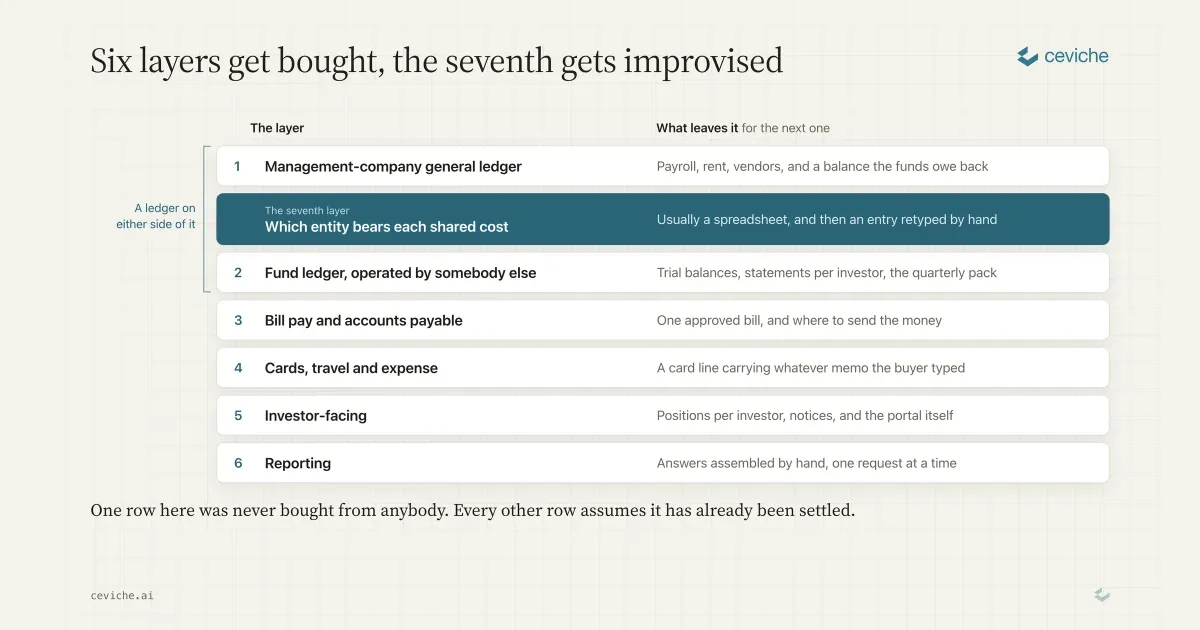
The Six Layers of Fund Administration Tools in a GP's Stack
Every other guide to fund administration tools describes a product. This one inventories the stack a fund actually runs, layer by layer, and names what passes between them.
Read the guide →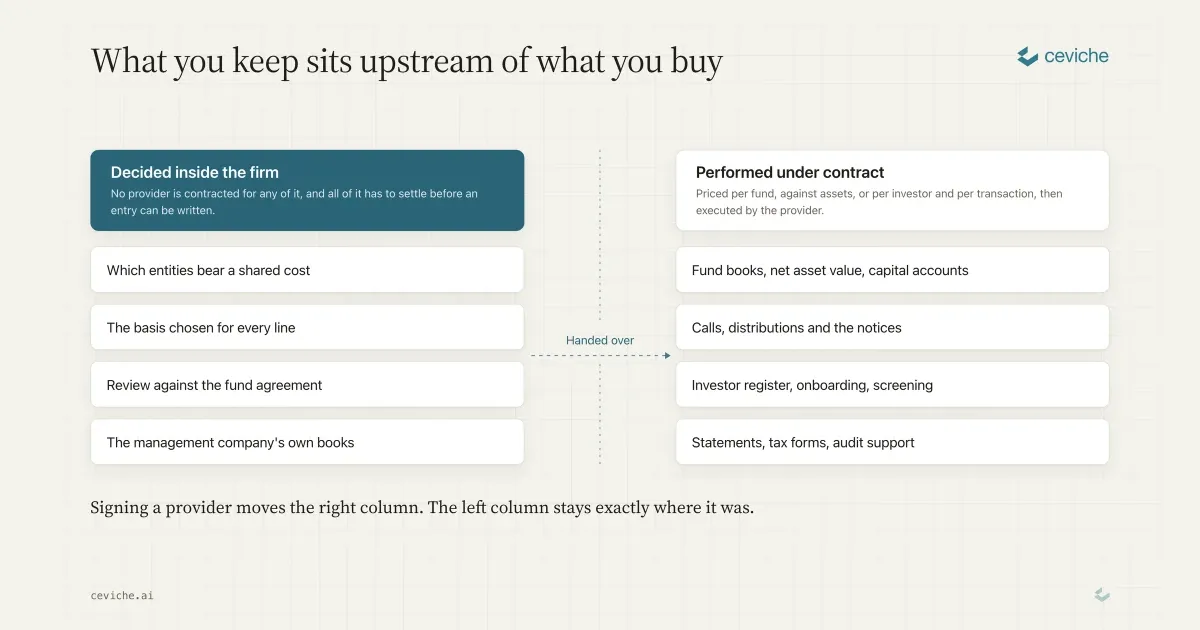
Venture Capital Fund Administration in 2026 (Providers and Costs)
What a venture fund administrator does, how providers price the work, and the line where software takes work back. Written from the buyer's side, since everything else is written by people selling the service.
Read the guide →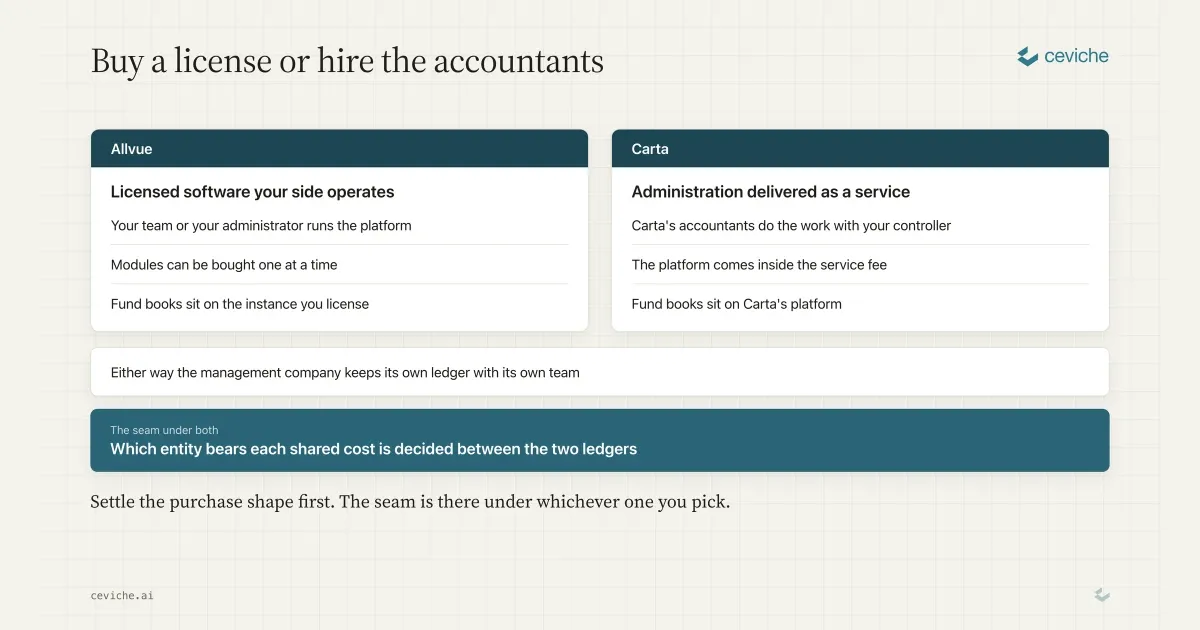
Allvue vs Carta for Fund Accounting and Administration (2026)
Allvue and Carta get compared on star ratings as though a fund picks one the way it picks a CRM. They are two different transactions, and the distinction decides price, implementation and who you call when a number is wrong.
Read the guide →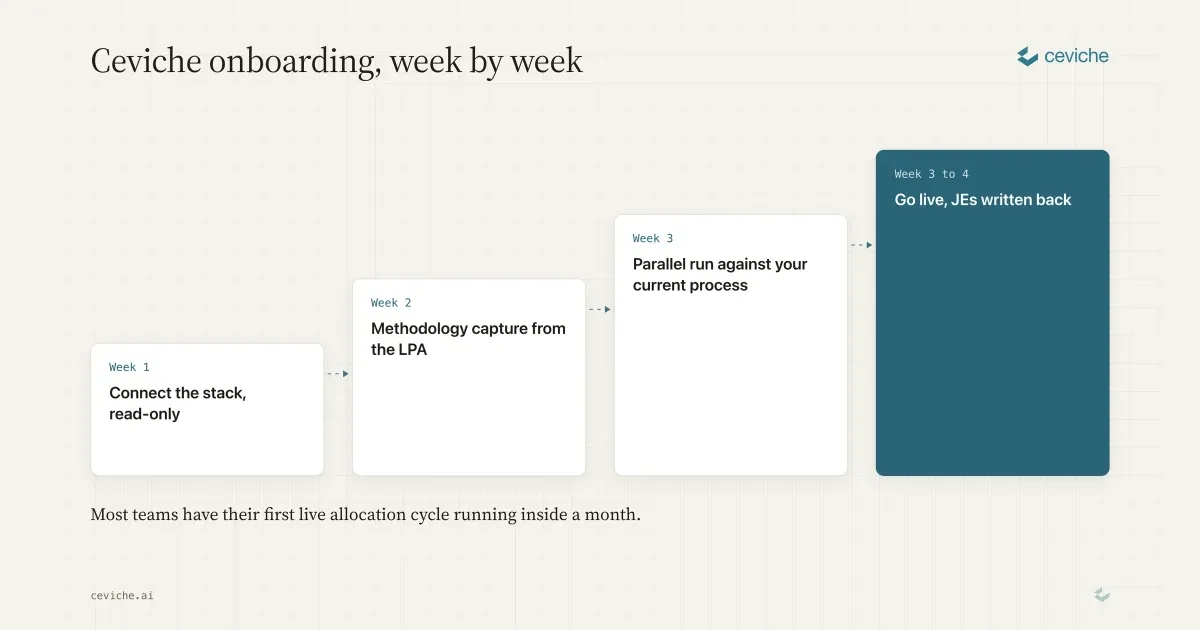
How Does Ceviche Onboarding Work?
The four stages, step by step, with what we need from you, what can slow it down, and what Ceviche does not do.
Read the guide →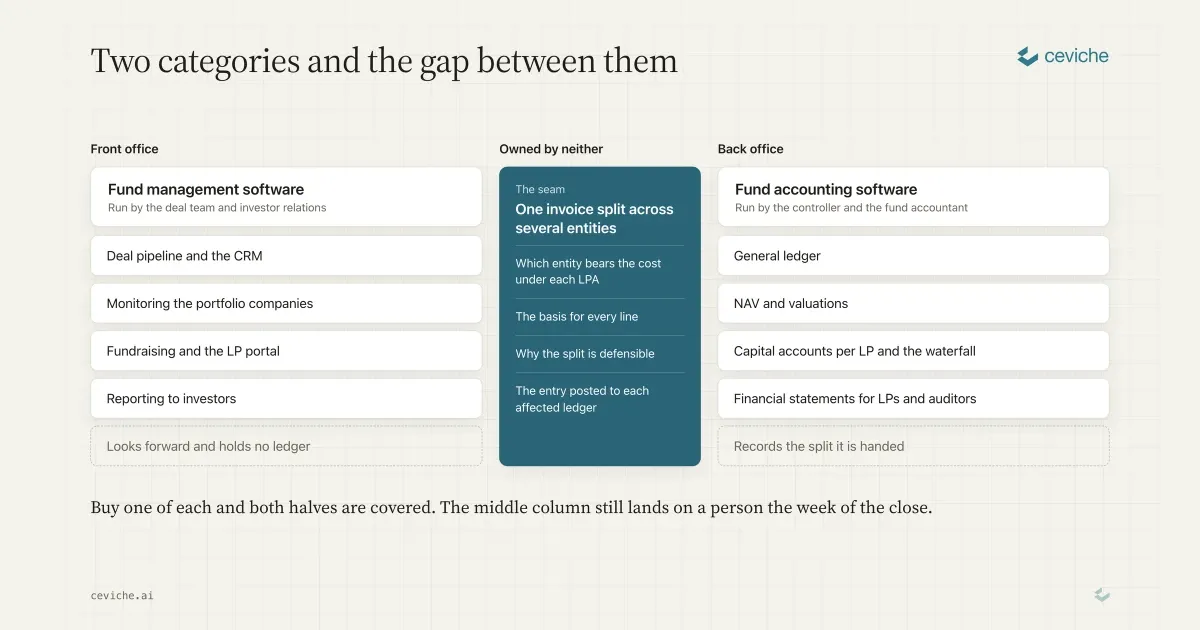
What Separates Fund Management Software From Fund Accounting Software?
The two categories solve different halves of a fund's operation. Most firms buy one of each and find the manual work waiting in the seam between them.
Read the guide →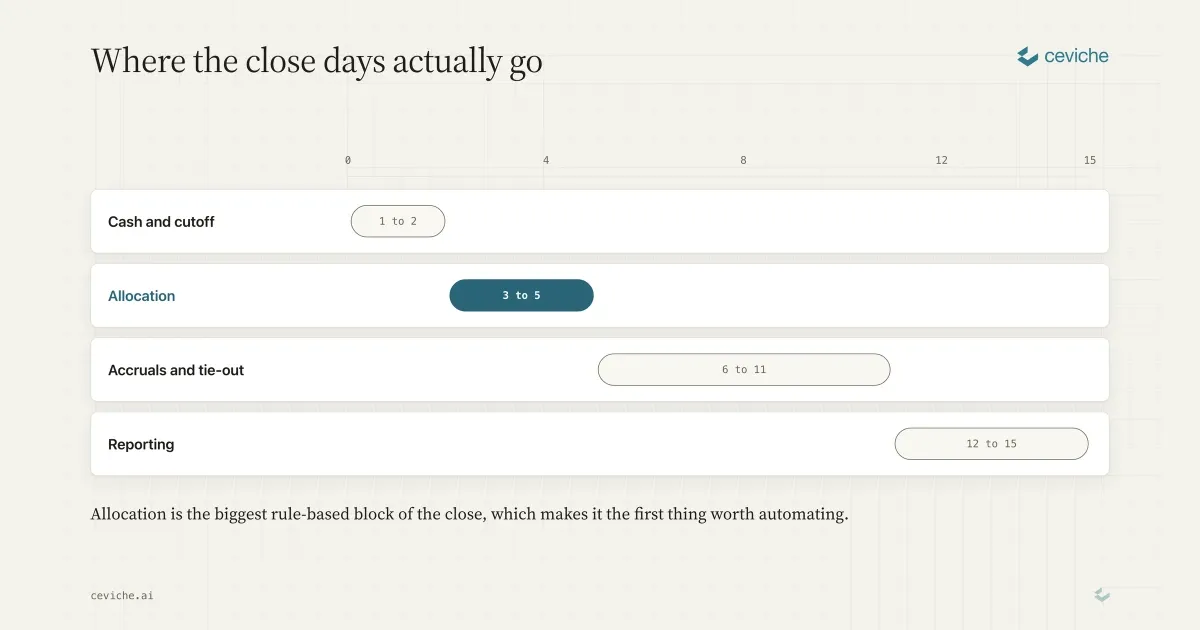
The Fund Month-End Close Checklist and What to Automate First
Every close checklist online is written for a company with revenue and inventory. This one is written for a fund, and it says what to automate first.
Read the guide →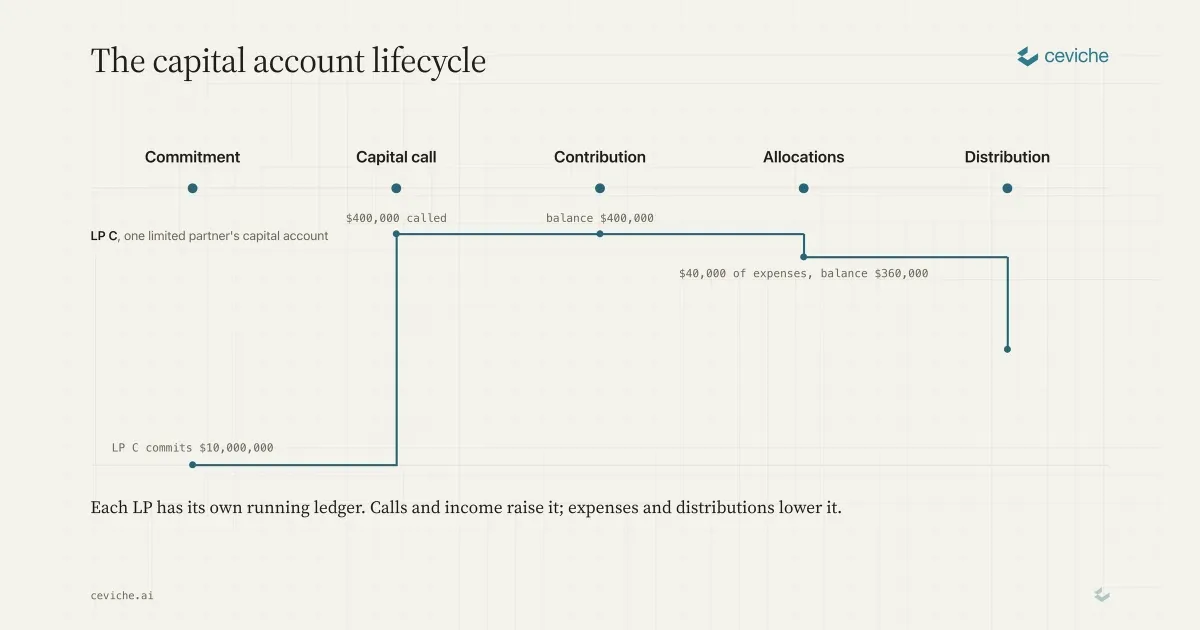
Capital Accounts and Capital Calls in Private Funds Explained
Every other explanation of capital calls stops at "the LP wires the money." This one continues into the debits and credits and the capital account roll-forward.
Read the guide →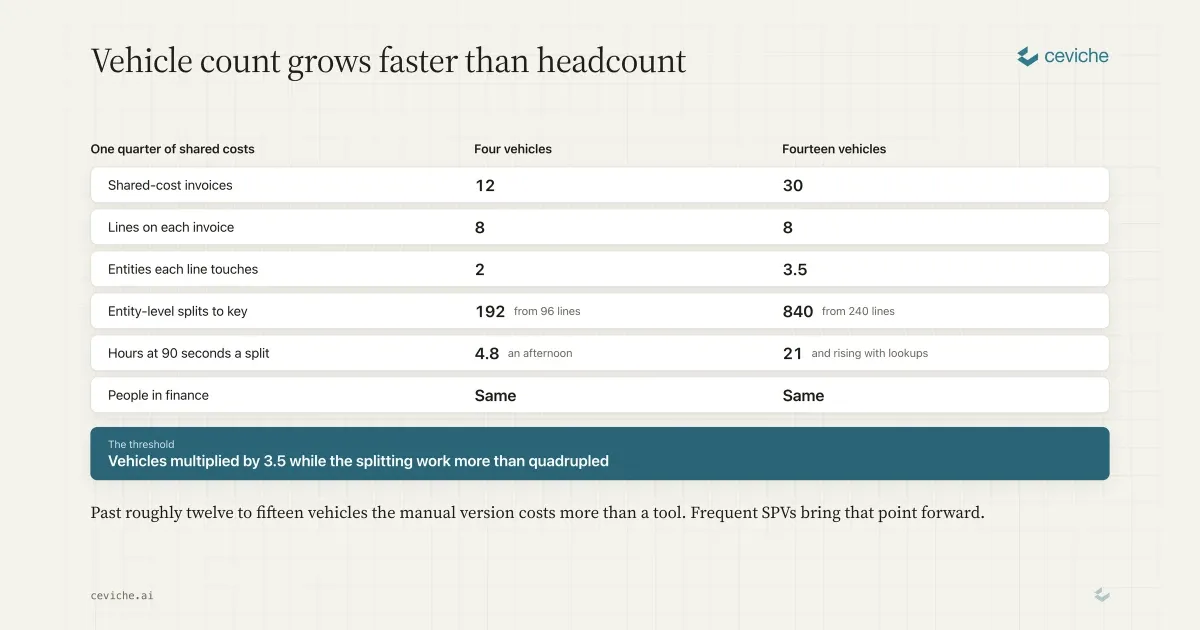
Fund Management Software for Lean Finance Teams
Most fund software is sold to teams with an implementation budget and someone to own the system. Here is what to buy when you have neither.
Read the guide →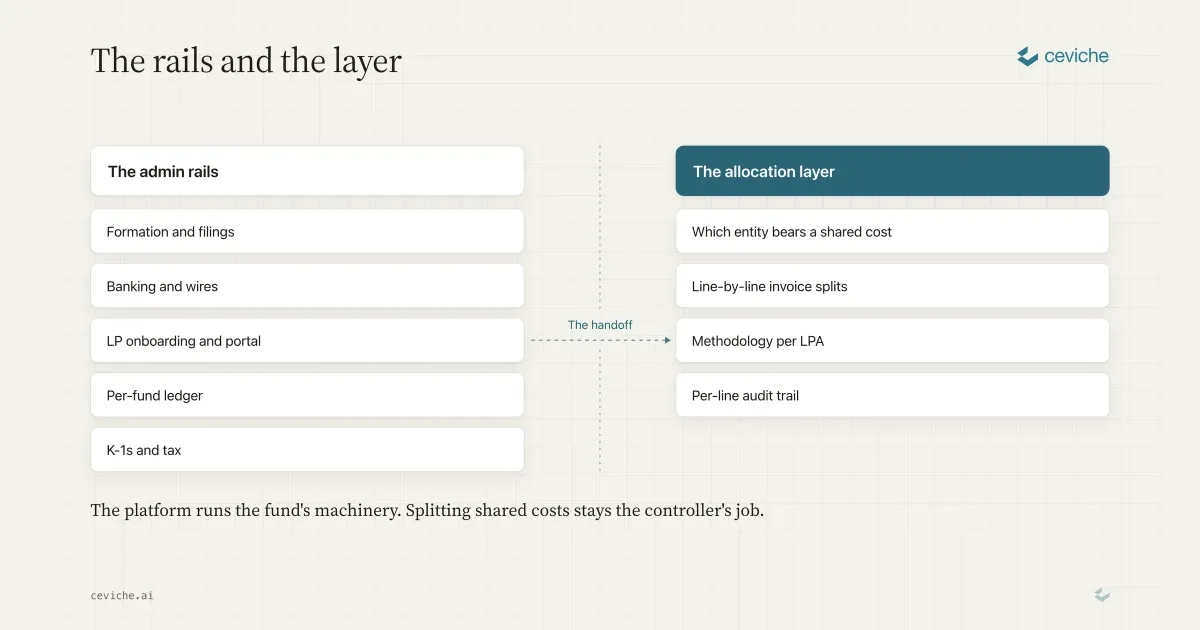
Does the AngelList Stack Handle Expense Allocation?
AngelList documents its scope clearly. The confusion comes from the word "allocation," which means three different things inside the same platform.
Read the guide →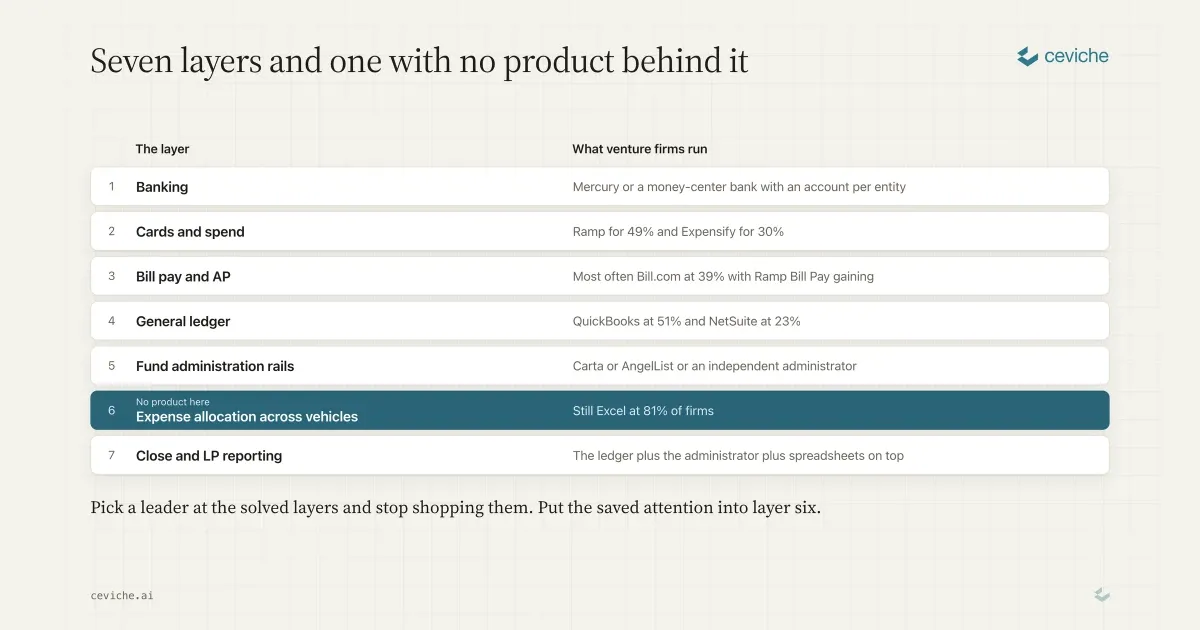
The VC Finance Stack Venture CFOs Run in 2026
What the finance team at a venture firm actually runs, layer by layer, based on interviews with 80 fund finance teams in 2026.
Read the guide →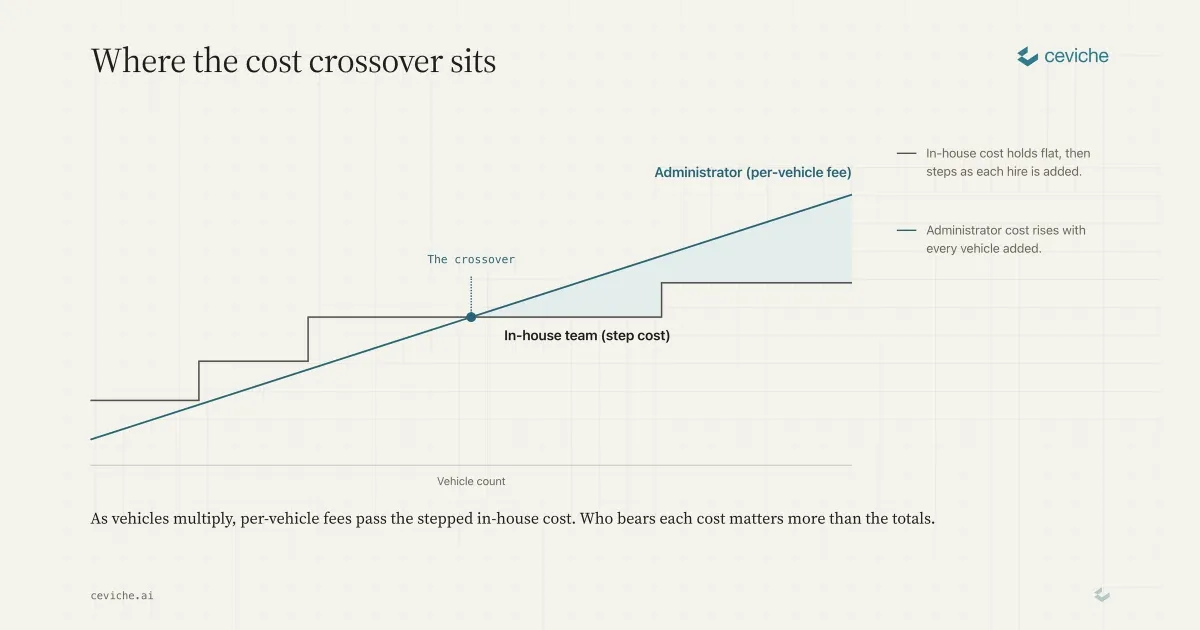
When Should a PE Firm Bring Fund Administration In-House?
Every other published answer to this question comes from a fund administrator. Here is the in-house case, the cost crossover, and the signals that say move.
Read the guide →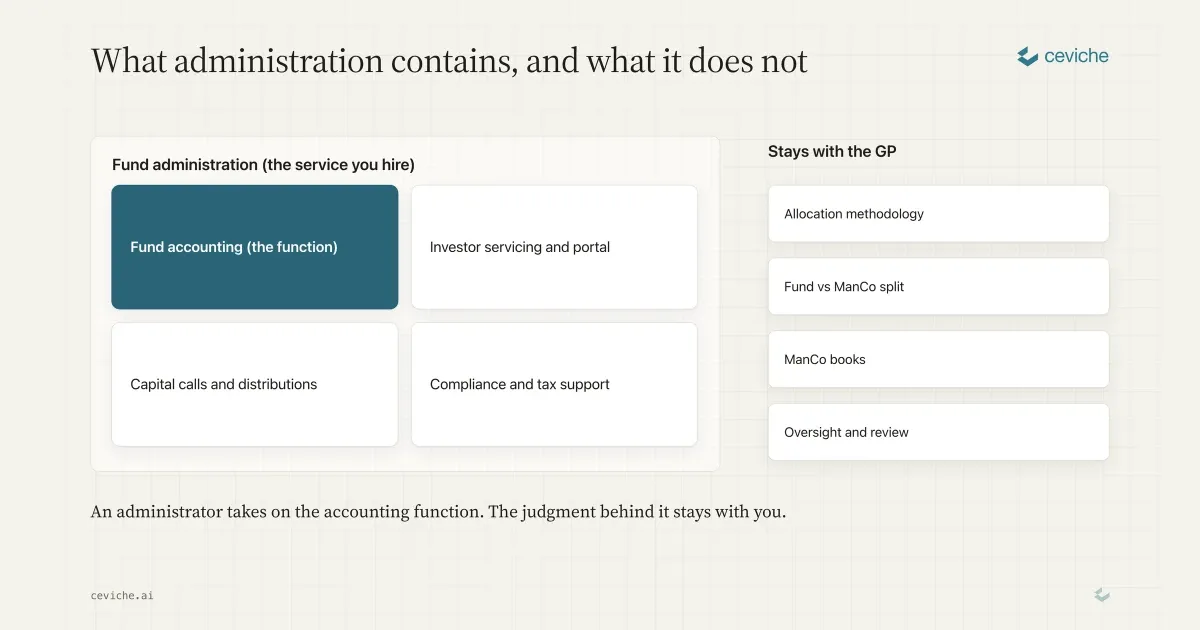
What Is the Difference Between Fund Administration and Fund Accounting?
Fund accounting is a function; fund administration is the service you buy to perform it. The difference matters most for the work that stays on your desk either way.
Read the guide →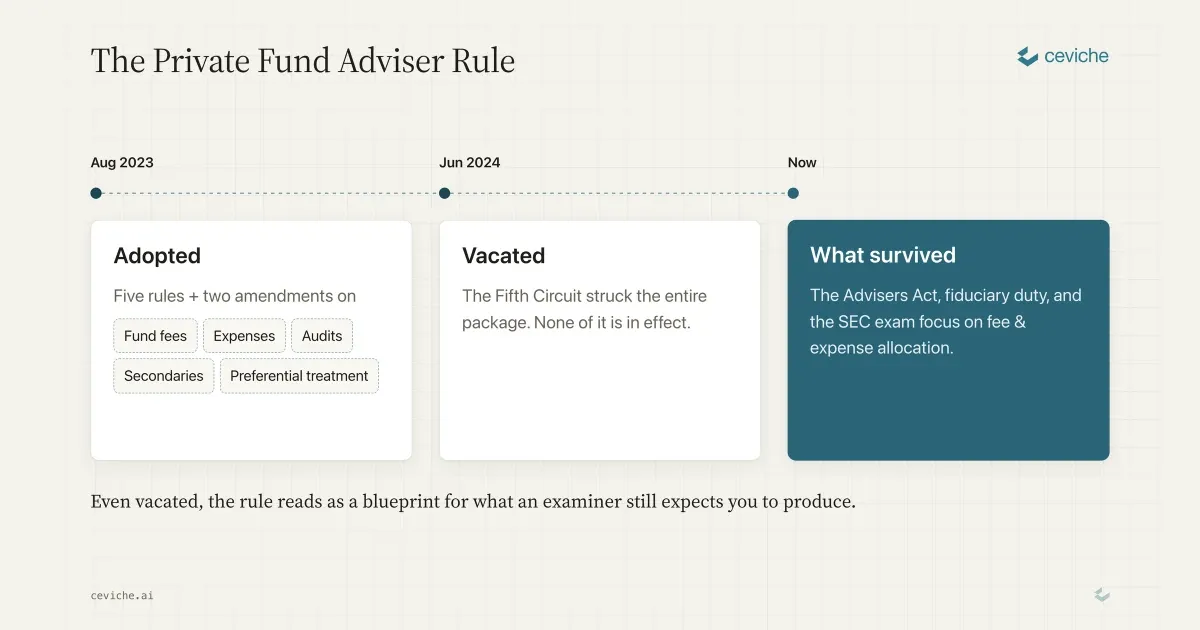
The Private Fund Adviser Rule and Expense Allocation
The SEC's Private Fund Adviser Rule was vacated in June 2024, but the fee and expense scrutiny behind it did not go away. What it means for allocation.
Read the guide →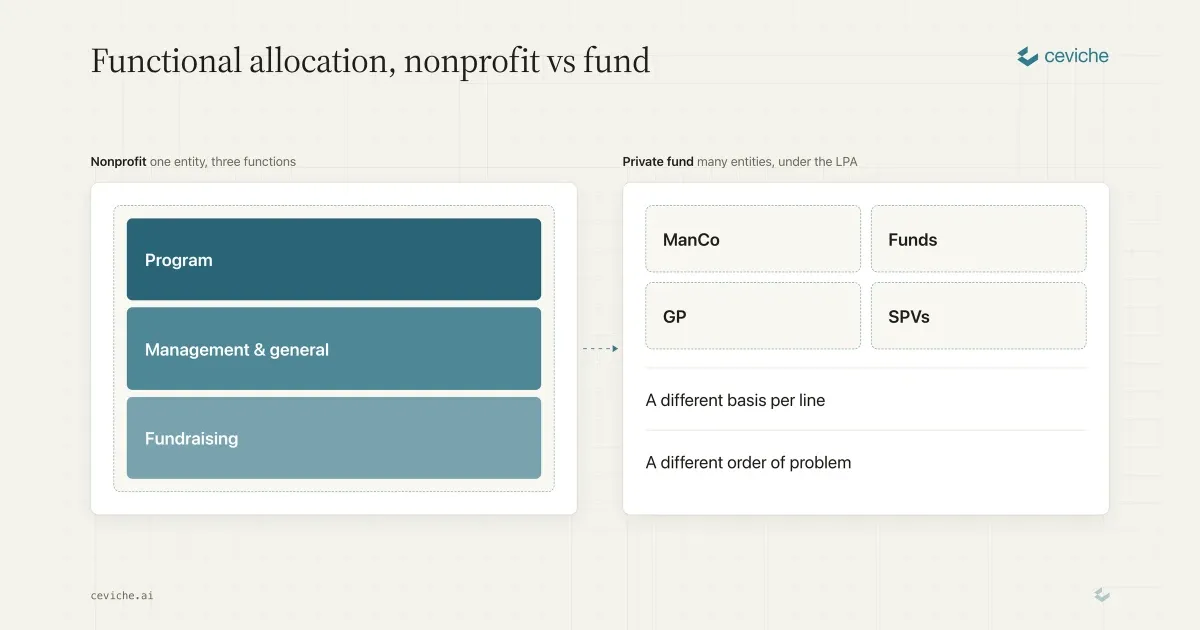
Functional Expense Allocation and Why Funds Get It Wrong
Functional expense allocation splits shared costs by purpose. Here is the clean nonprofit definition, plus the same idea translated for a private fund.
Read the guide →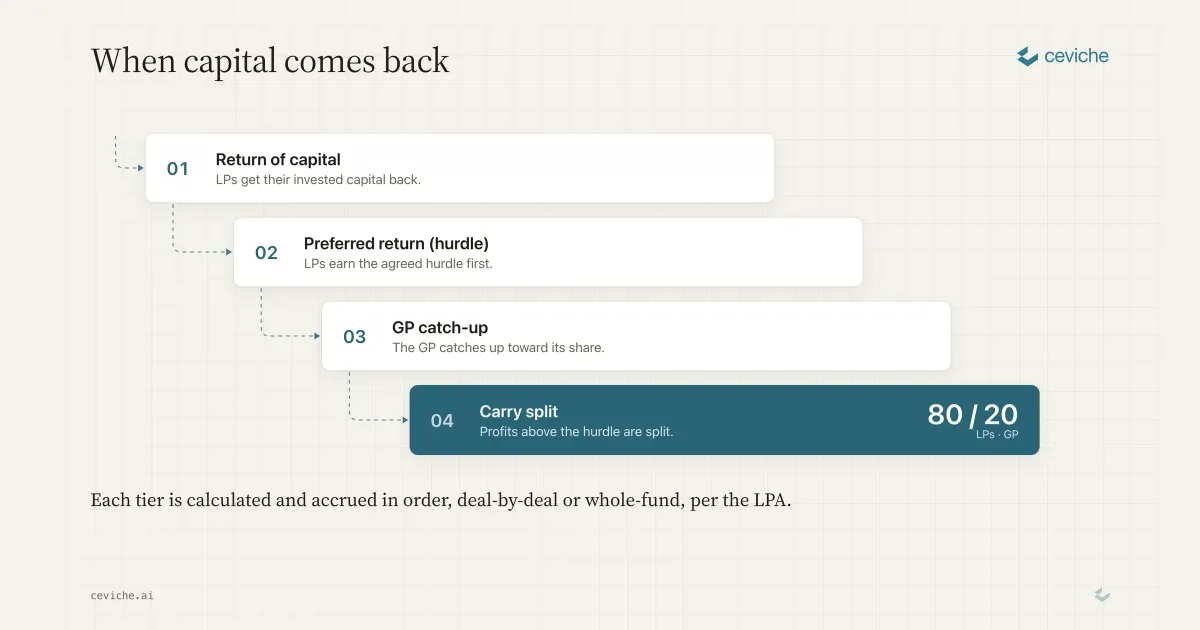
Private Equity Fund Accounting 101
Private equity fund accounting tracks how LP capital is raised, deployed, and returned across many entities. How it works, and where the manual time goes.
Read the guide →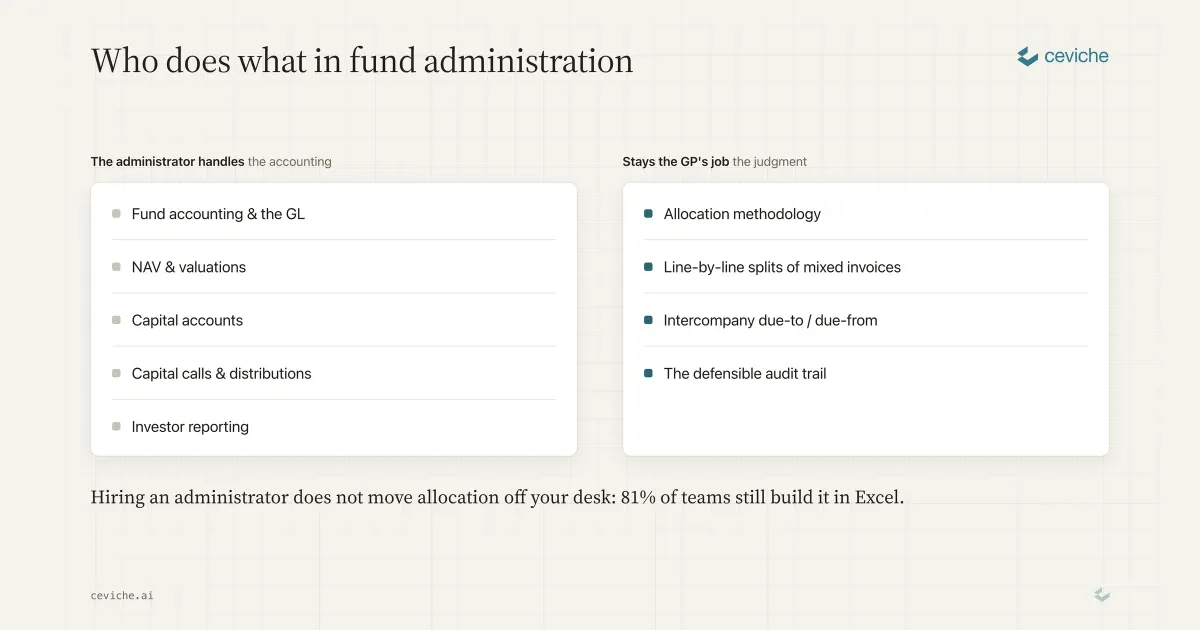
Fund Administration in Private Equity
What fund administrators actually do for PE firms, what admin costs in 2026, and how GPs decide between outsourcing and bringing it in-house.
Read the guide →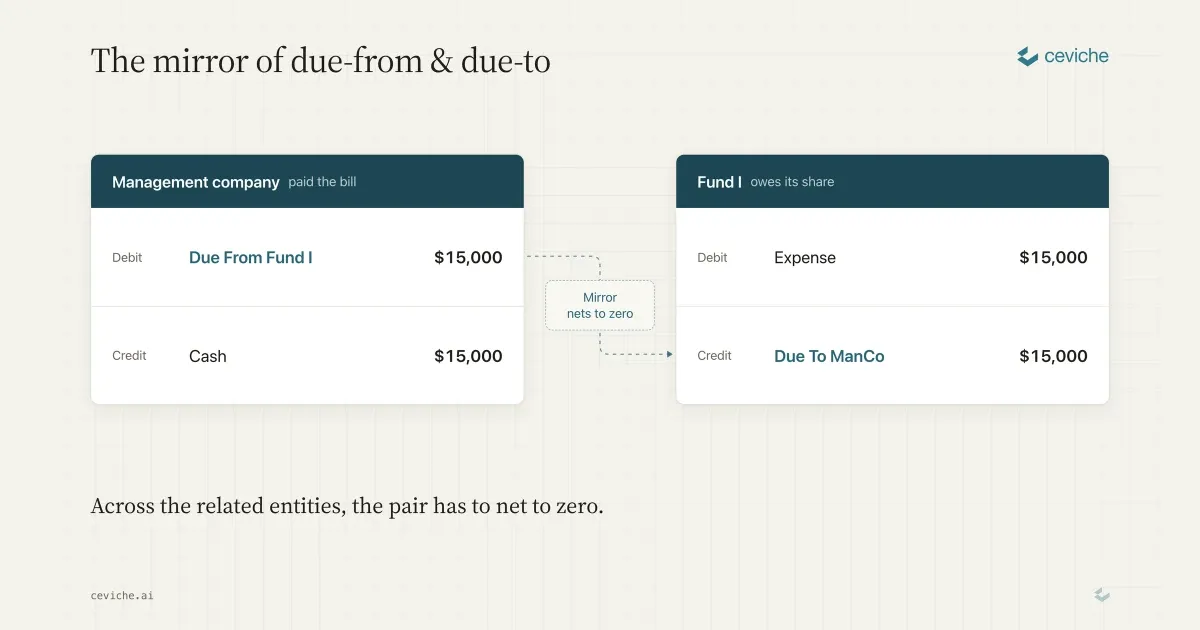
Due To and Due From in Fund Accounting
What due to and due from accounts are in fund accounting, the journal entries for a shared invoice across funds, and how to keep the pairs netting to zero.
Read the guide →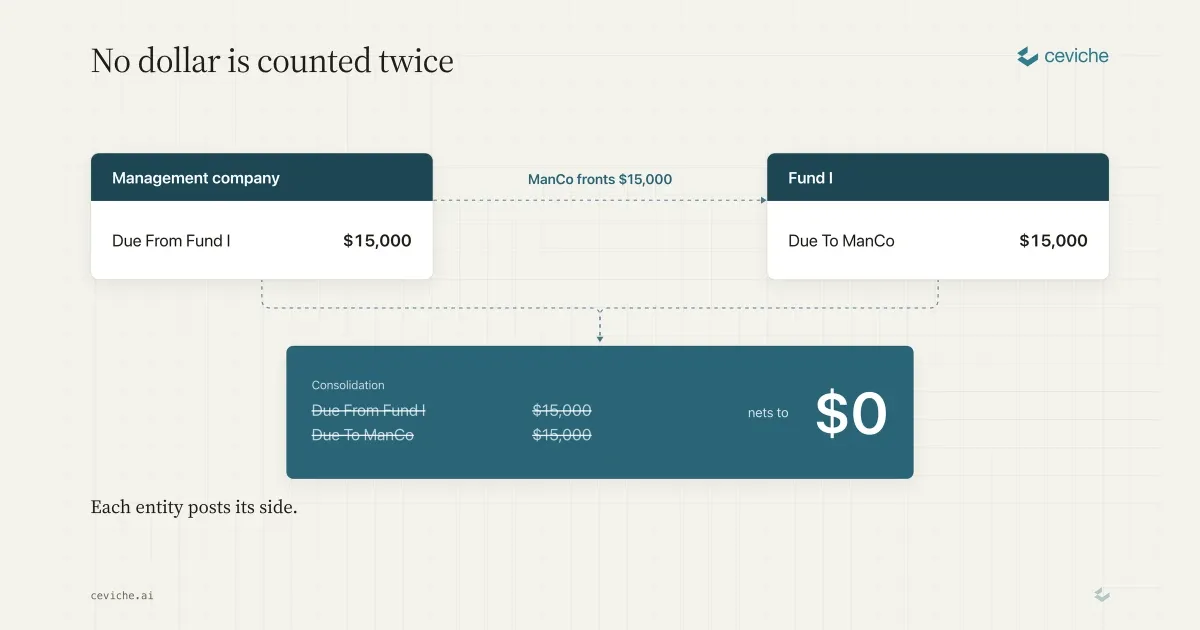
Intercompany Accounting for Funds
What intercompany accounting is, the journal entries, how to eliminate in consolidation, and why fund structures make it harder. With data from 80 fund teams.
Read the guide →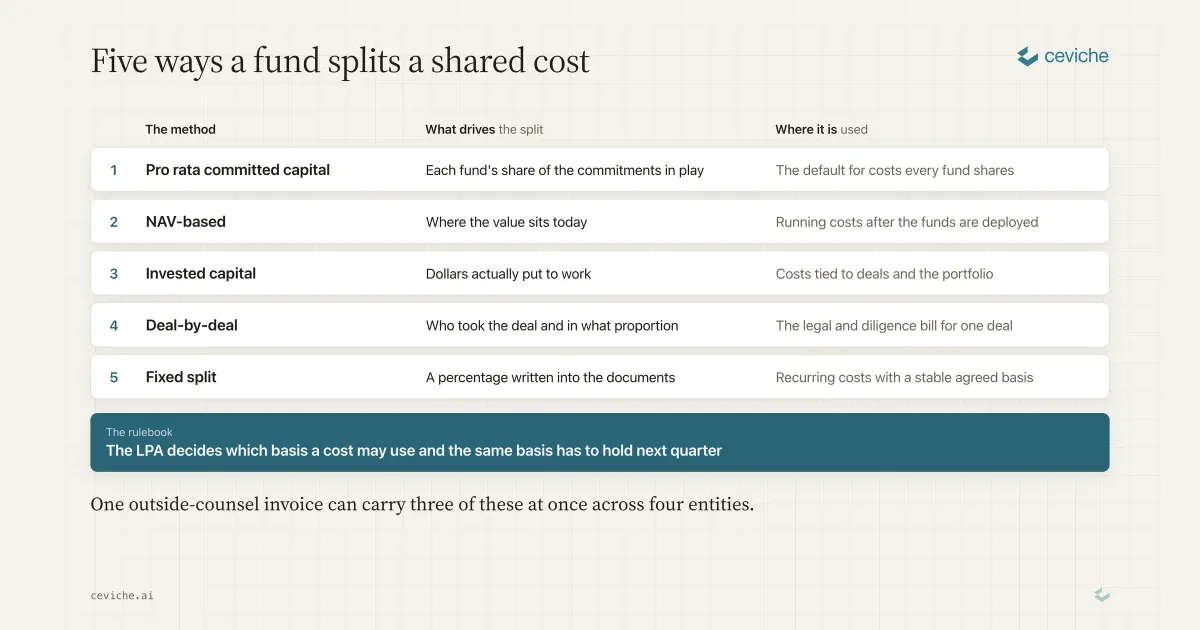
Cost Allocation Methods Explained
The cost allocation methods are direct, step-down, reciprocal, and ABC. Here is how each works, plus the five methods private funds run across entities.
Read the guide →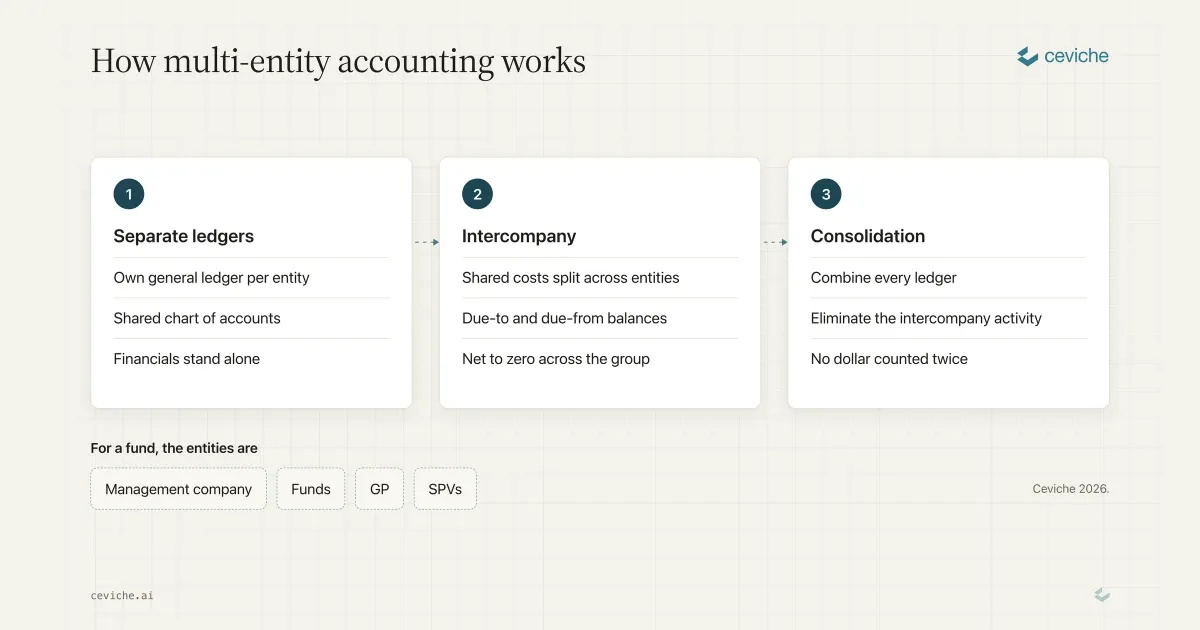
The Multi-Entity Accounting Primer for Private Funds
Multi-entity accounting keeps separate books per legal entity and consolidates them. Here is how it works, why it breaks, and what funds get wrong.
Read the guide →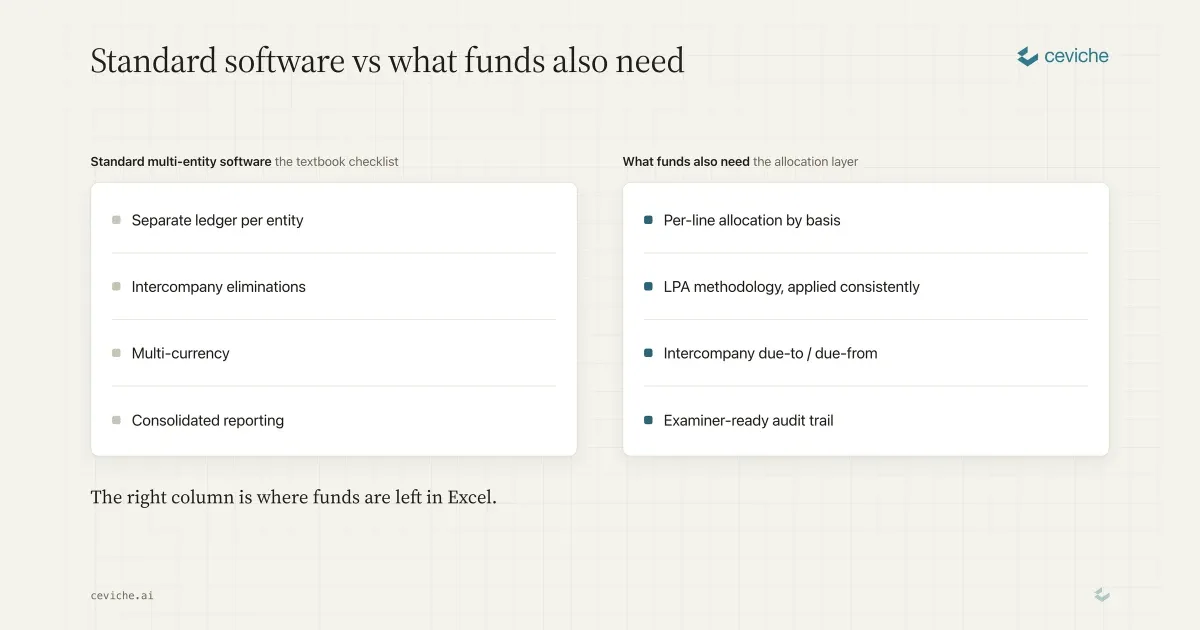
Multi-Entity Accounting Software for Fund Managers
Multi-entity accounting software keeps separate books per entity and consolidates them. Here is what funds need, what the top tools miss, and how to choose.
Read the guide →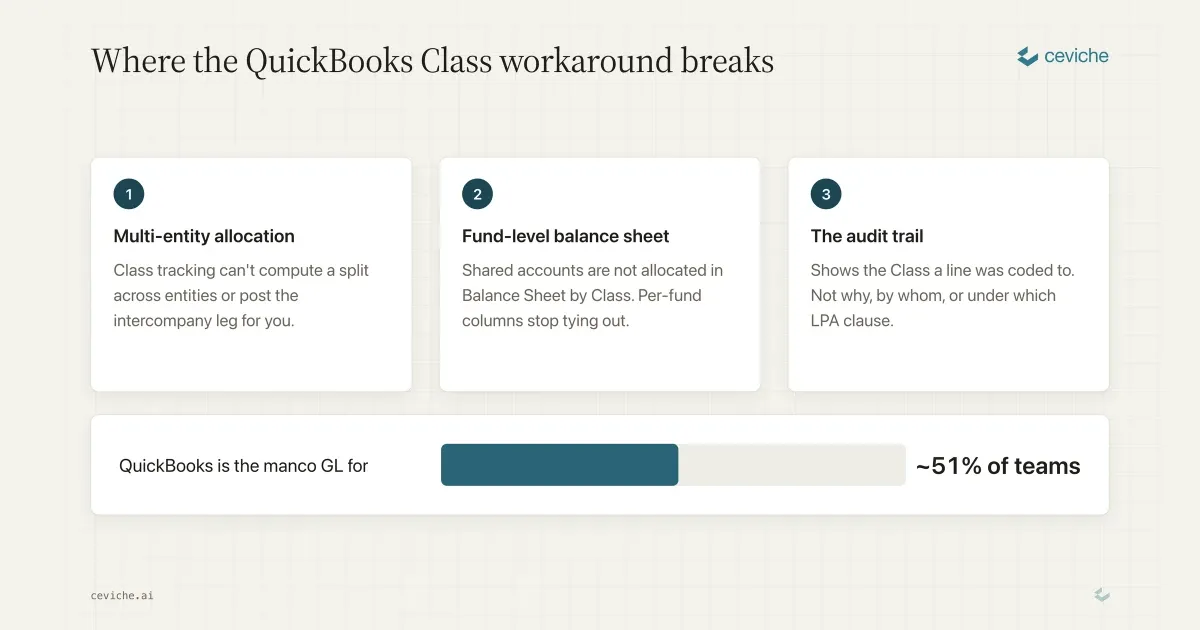
Fund Accounting in QuickBooks and Where It Breaks for Funds
QuickBooks runs half of fund manco ledgers, but the Class workaround breaks at multi-entity allocation, fund-level balance sheets, and the audit trail.
Read the guide →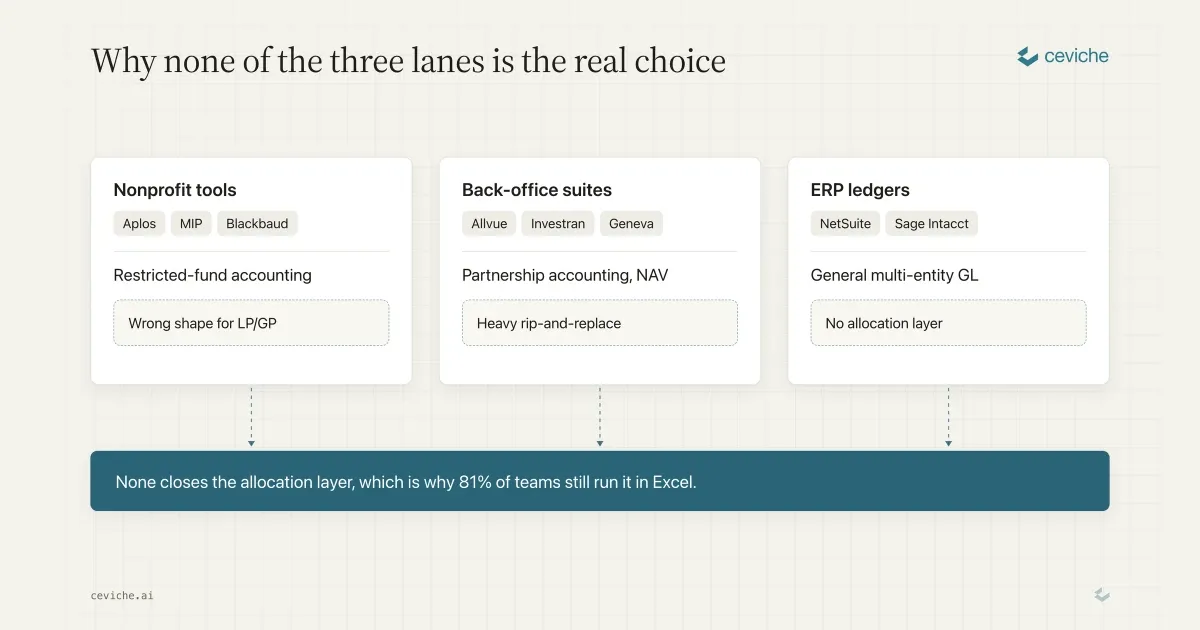
How Do You Choose Fund Accounting Software for a Private Fund?
A vendor-neutral guide to choosing fund accounting software for a private fund, backed by data from 80 PE and VC finance teams.
Read the guide →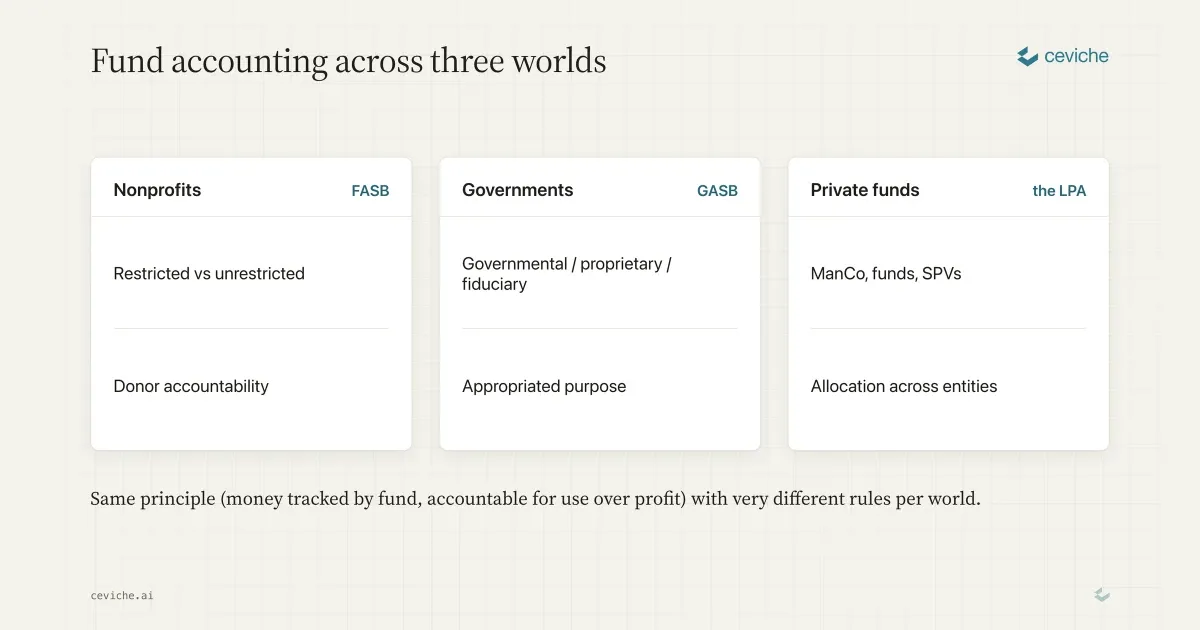
What Is Fund Accounting?
Fund accounting tracks money by self-balancing funds, with accountability over profit. Here is what it means for nonprofits, governments, and private funds.
Read the guide →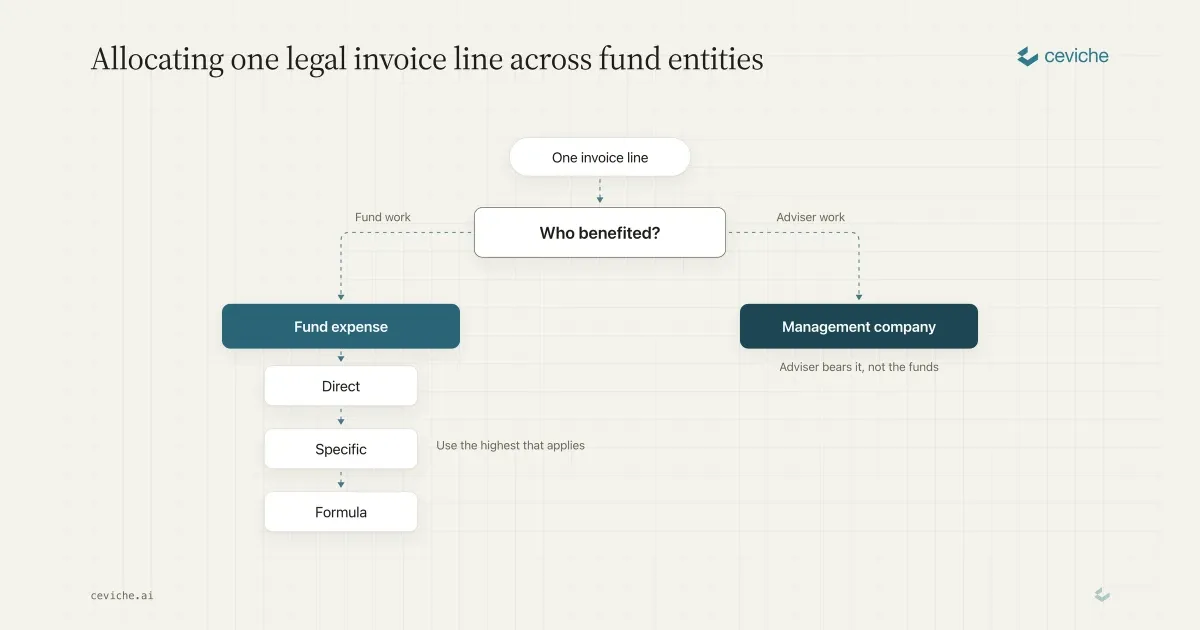
How to Allocate Legal Invoices Across Fund Entities
A controller's step-by-step workflow for splitting a multi-line legal invoice across funds, the GP, and the management company, with a worked example and the journal entries.
Read the guide →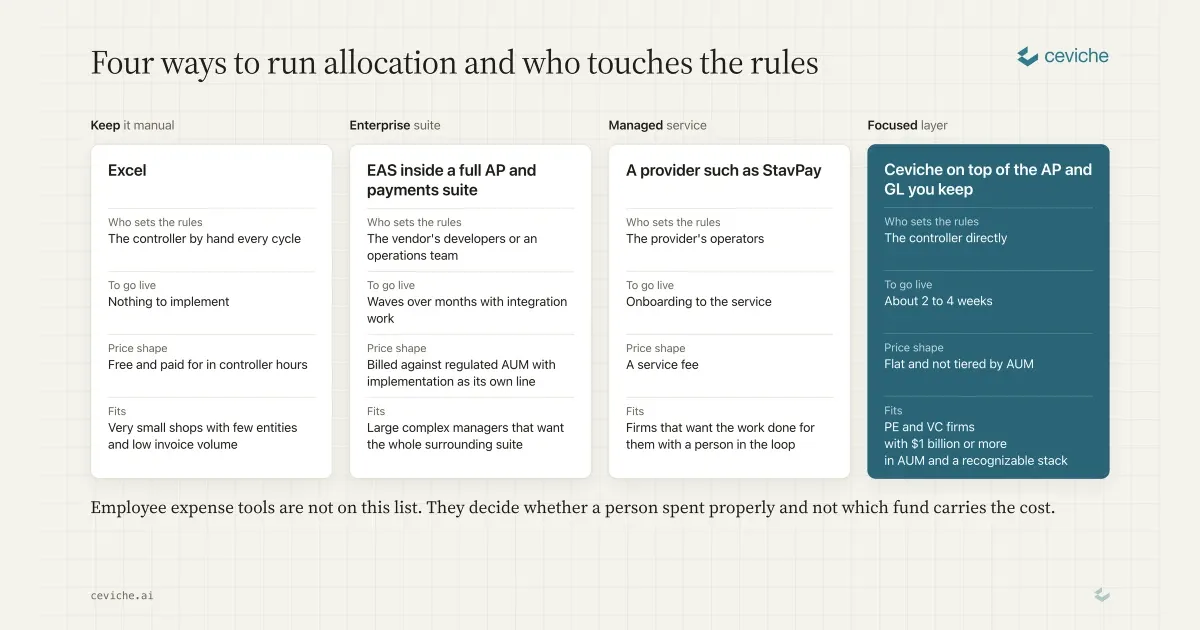
What Are the Real Alternatives to EAS Expense Allocation System?
The real alternatives to IntegriDATA EAS, compared from the controller's seat: what each option actually fits, what an enterprise rollout costs, and the questions to ask before you switch.
Read the guide →